◎ Fitment review
Share the vehicle platform, model year and existing tire size. We can use those inputs to frame a comparison, while final suitability remains subject to the vehicle and product documentation.
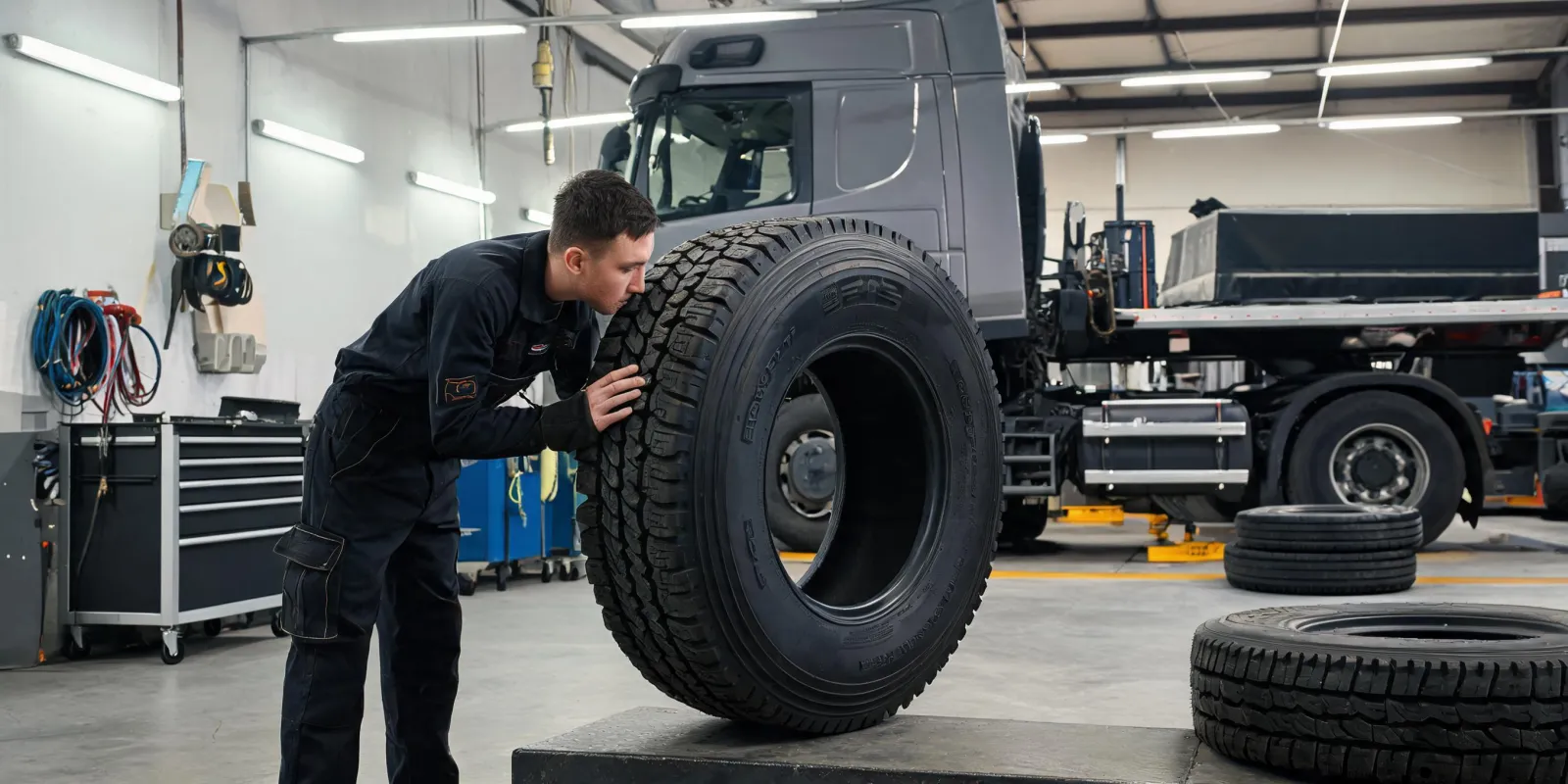
Turn the details of your vehicle and operating environment into a useful product conversation.
Share the vehicle platform, model year and existing tire size. We can use those inputs to frame a comparison, while final suitability remains subject to the vehicle and product documentation.
Describe axle loads, road surfaces, climate and the expected service cycle. These details help distinguish the questions that matter for passenger, light truck and commercial tire applications.
Request current specifications and the evidence relevant to your destination market. Check the document scope and product designation before relying on a rating or regulatory statement.
Record the size, load index, speed rating, vehicle information and quantity needed.
Review construction and tread choices against the duty cycle and the trade-offs you identify.
Verify the proposed product, applicable documents and installation requirements before ordering.
There is no single tire specification that suits every vehicle and road. Ask for product-specific documentation and agree on any test conditions before making a performance comparison.
When alternatives are reviewed, the stated load and speed conditions should be consistent across the documents. Consider the trade-offs among tread wear, wet traction and rolling resistance in the actual duty cycle, and do not assume that a result measured in one test predicts every operating environment.
For a fleet or purchasing program, establish who will confirm the vehicle information, who will review the technical documents and who will make the final purchase decision. A shared record of these responsibilities can keep assumptions visible throughout the selection process.
Include your operating conditions, destination market and any information you would like reviewed.